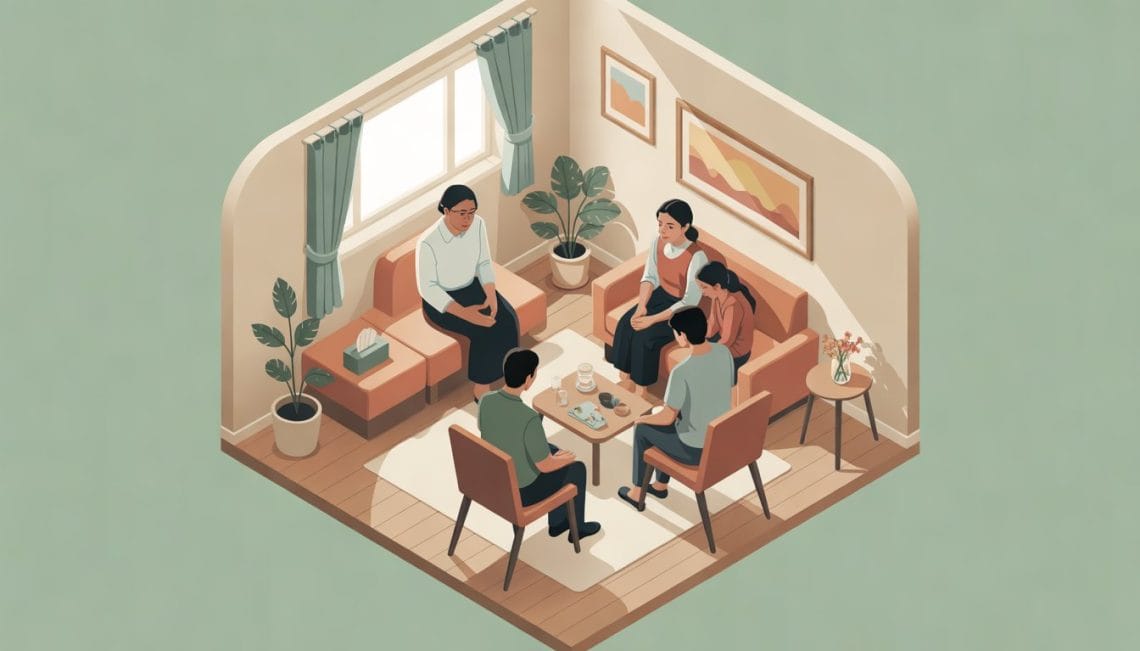
What Bereavement Care Looks Like in My Day
When I think about bereavement care, I picture something very human: a steady hand, a quiet room, a kind voice, and practical support at the exact time I feel least able to organise anything. In a day_in_the_life sense, it is not just one service or one conversation. It is a series of small, thoughtful moments that help me move through grief without feeling left alone to manage everything at once. Related source: HongEn Life funeral guidance and planning.
What stands out most is that bereavement care can look different depending on who is helping, where it happens, and what I need on that day. Some options are more emotional and listening-focused, while others are practical and administrative. The best approach is often a mix of both. Related source: hong en life.
Starting With Immediate Support
At the beginning of the day, I usually need the simplest kind of support first: someone who can explain what happens next without rushing me. Bereavement care in this stage often means confirming the death, guiding me through first steps, and helping me understand which tasks are urgent and which can wait.
If I compare options, this is where hospital bereavement teams, funeral providers, and community support services each play a different role. Hospital teams are usually there for immediate guidance and paperwork. Funeral providers are more focused on arrangements. Community groups and charities often step in to offer emotional support and next-step advice.
Choosing the Right Type of Bereavement Care
As I move through the day, I realise there is no single version of bereavement care that suits everyone. Some people need structured practical help, while others need a softer, more personal approach. For me, the choice depends on how much guidance I need and how much space I want to process the loss.
In general, I see three broad options. Formal services offer consistency and clear processes. Religious or faith-based support can provide comfort through familiar rituals. Charitable or community-based support may feel warmer and more personal. Each option has strengths, and the right one often depends on my circumstances, beliefs, and family needs.
The Practical Side I Cannot Ignore
Even on an emotional day, practical matters still come up. Bereavement care often includes help with registration, documentation, funeral planning, and communication with relevant institutions. This support matters because grief can make even simple decisions feel unusually heavy.
I find it helpful when someone breaks everything into smaller tasks. Instead of being handed a long list, I prefer a clear sequence: what must be done now, what can be delayed, and who can help with each item. Compared with trying to handle it alone, this kind of support makes the whole day feel more manageable.
Emotional Support Throughout the Day
By the middle of the day, the emotional side of bereavement care becomes even more important. Some services focus on active listening, reassurance, and follow-up conversations. Others may connect me to counselling, support groups, or trained volunteers who understand grief in a more structured way.
I notice that different options suit different personalities. If I want privacy, one-to-one support may feel best. If I want to hear from others with similar experiences, group support can be comforting. If I am not ready to talk much, having someone simply check in by phone or message can still make a real difference.
How I Compare Home-Based and Facility-Based Support
One of the biggest comparisons in bereavement care is whether support happens at home or through a service location. Home-based support can feel gentler because I am already in familiar surroundings. It may work well for families who want time, privacy, and flexibility.
Facility-based support, on the other hand, often provides more structure and access to a wider range of services. I might find it easier to get administrative help, speak to multiple professionals, or arrange formal processes in one place. For me, the choice depends on whether I need comfort, convenience, or both.
Support for Family Members and Children
Bereavement care is not only about the person grieving directly. I also think about family members, especially children, who may need different explanations and a different pace of support. Some services are more family-centred, while others focus mainly on the individual.
If I compare options, family-inclusive care usually feels more complete because it gives everyone a way to participate and ask questions. Children may benefit from simple language, routine, and gentle reassurance. Adults may need space to talk openly about arrangements and feelings. Good bereavement care tries to hold all of that together.
What Makes Bereavement Care Feel Truly Helpful
By the end of the day, I usually know whether a service has been genuinely helpful. The most valuable bereavement care is not always the most formal or the most detailed. It is the kind that feels calm, clear, respectful, and patient. It gives me time to think and does not assume I can cope with everything at once.
When I compare the different options, the best one is usually the one that balances compassion with practical support. I want people to explain things clearly, respect my choices, and recognise that grief does not follow a timetable. That combination makes bereavement care feel less like a system and more like real support at a difficult time.